Category: History
-

Bad Bunny and the Reclaiming of America
At the 2026 Super Bowl halftime show, Bad Bunny used one of the most visible stages in United States popular culture to advance a political argument. The performance did not call for legislation or issue a formal declaration. Instead, it intervened at the level of political imagination by reframing “America” as hemispheric and presenting joy…
-

Hacksaw Ridge: Historical Accuracy or Hollywood Fiction?
Desmond Doss’s World War II service is widely recognized for its medical heroism and his refusal to carry a weapon. During the Battle of Okinawa, he rescued dozens of wounded soldiers. The film version presents the same events, but not always in the same way. Which parts align with history, and which parts are adjusted…
-

The Meaning of Participation in Authoritarian Systems
Participation plays a central role in how many high-control regimes govern. Citizens are expected to work, join organizations, attend public rituals, and reproduce official norms in schools and workplaces. This expectation is especially pronounced in totalitarian and mobilizational authoritarian systems that seek not merely obedience but visible alignment (Linz). Yet the same regimes that demand…
-

Year in Review: Making the Invisible Visible
In 2025, Intersect: Student Voices reached an impressive audience in 107 countries, showcasing a student publication’s ability to engage a diverse readership while preserving the depth of its ideas. The featured essays explore the formation and sustainability of assumptions related to race, happiness, equality, objectivity, and social systems. Intersect remains committed to publishing analytically-grounded writing…
-

Debunking Race-Based Intelligence
Hannah Bachman examines how the concept of intelligence has historically been shaped by those in power, leading to biased definitions that marginalize alternative forms of intelligence. She critiques race-based theories of intelligence, revealing their political origins and highlighting the role of environment over biology in shaping cognitive abilities.
-

Gun Violence in Baltimore: Industrialization, Inequality, and Intervention
James Hobelmann explores the gun crisis in America through the lens of Baltimore, linking its emergence to industrial decline, racial inequality, and social unrest. He underscores community-led initiatives centered on prevention and trust-building as crucial to confronting the problem’s structural causes.
-

Cúchulainn and the Work of Heroism
In The Táin, translated by Thomas Kinsella, Cúchulainn embodies the classic hero. He follows the three stages of the hero’s journey—call to adventure, trials and failures, and a final reward—and he proves his heroism through steadfast service to the people of Ulster. Kinsella’s portrayal aligns with a traditional hero: a figure marked by exceptional traits…
-
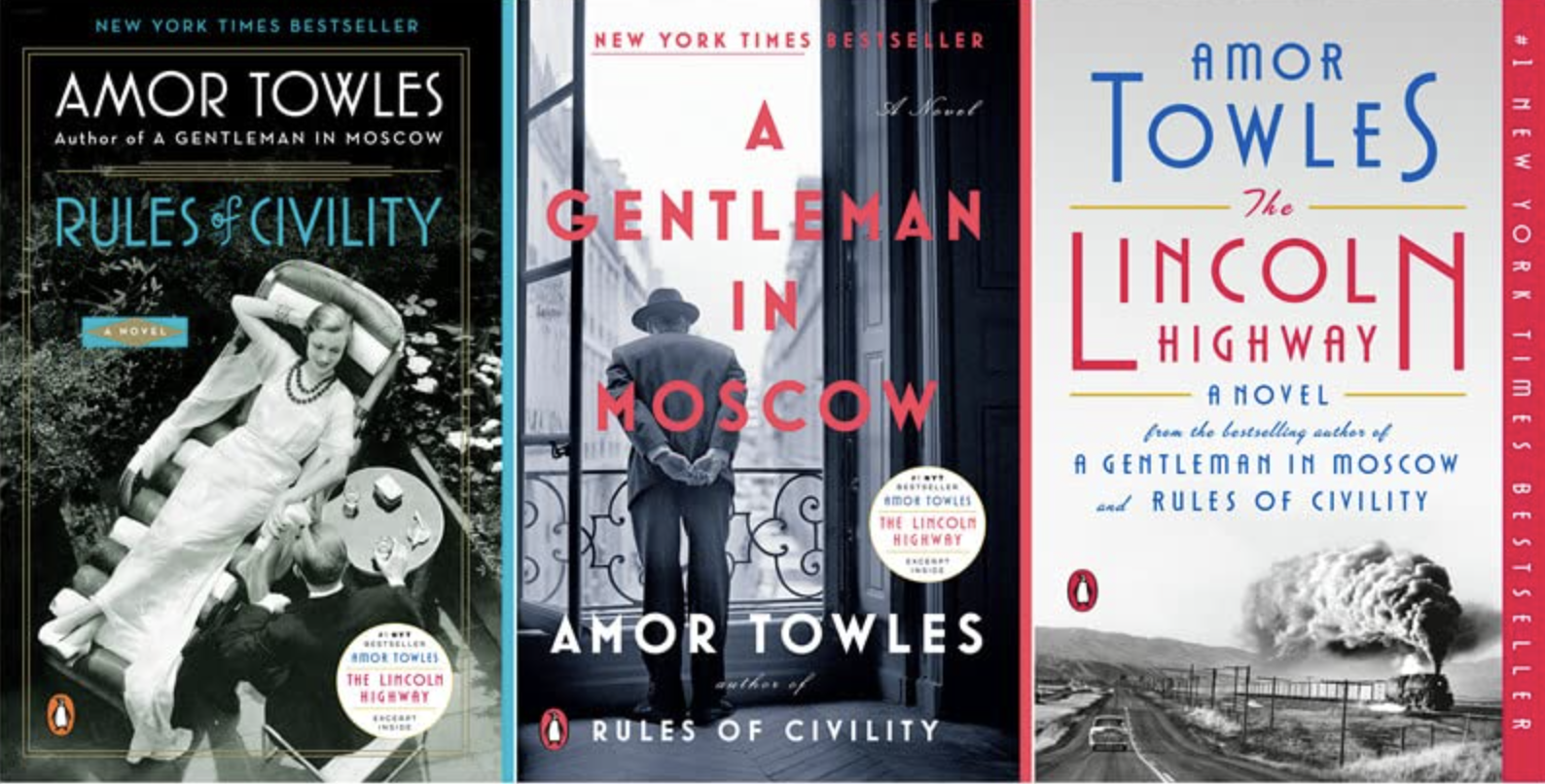
Elegance Meets Risk in the Worlds of Amor Towles
Towles’s novels embody elegance while questioning the structures that sustain it, contrasting privilege and precarity to reveal how grace and resilience function across class lines.
-
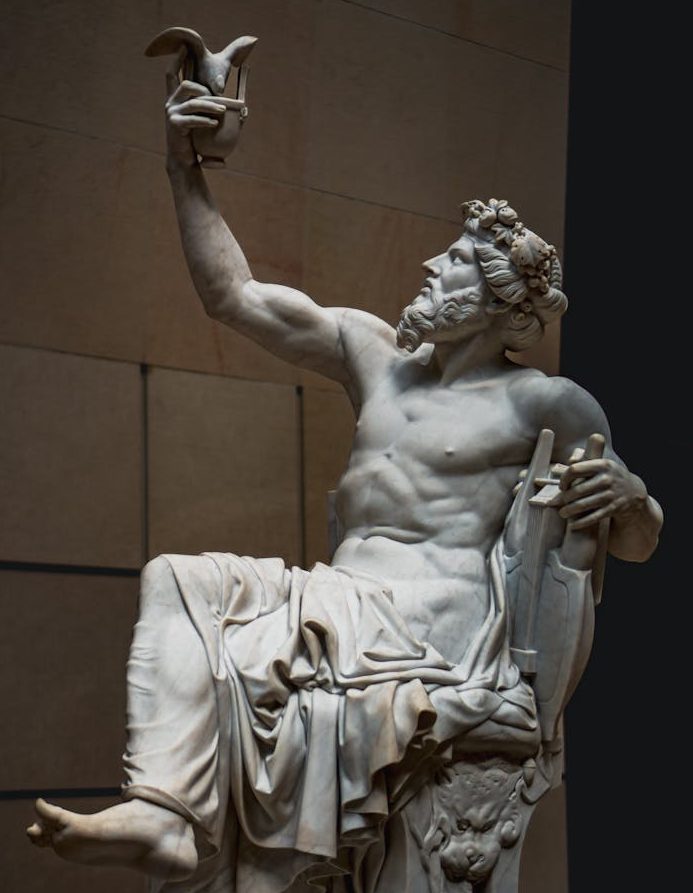
Myth, Media, and the Making of Idols
As Reese Deller observes, idolatry reflects society’s tendency to project its fears and aspirations onto figures both historical and contemporary, such as gods and celebrities. Modern culture mirrors these ancient roles in organizing authority and values, inviting reflection on how we grant power, interpret influence, and decide who is worthy of belief.
-

Philip Roth and the Fragility of Military Brotherhood
Jack Kozinn examines how Sergeant Nathan Marx, in “Defender of the Faith,” navigates Sheldon Grossbart’s competing requests, exposing the tension between loyalty and rule. Roth suggests that true leadership demands impartial duty to all, underscoring both trust’s fragility and the moral precision fairness requires.
-

Wing to Wire, the Birth of Modern Communication Systems
Carrier pigeons sustained military and state communication for millennia, reliably delivering messages when other systems failed. Their success rested on a delicate balance between evolutionary instinct and human training. Yet as technology advanced, their role vanished. Travis Vance uses this example to show how progress often erases the very infrastructures that once held societies together.
-
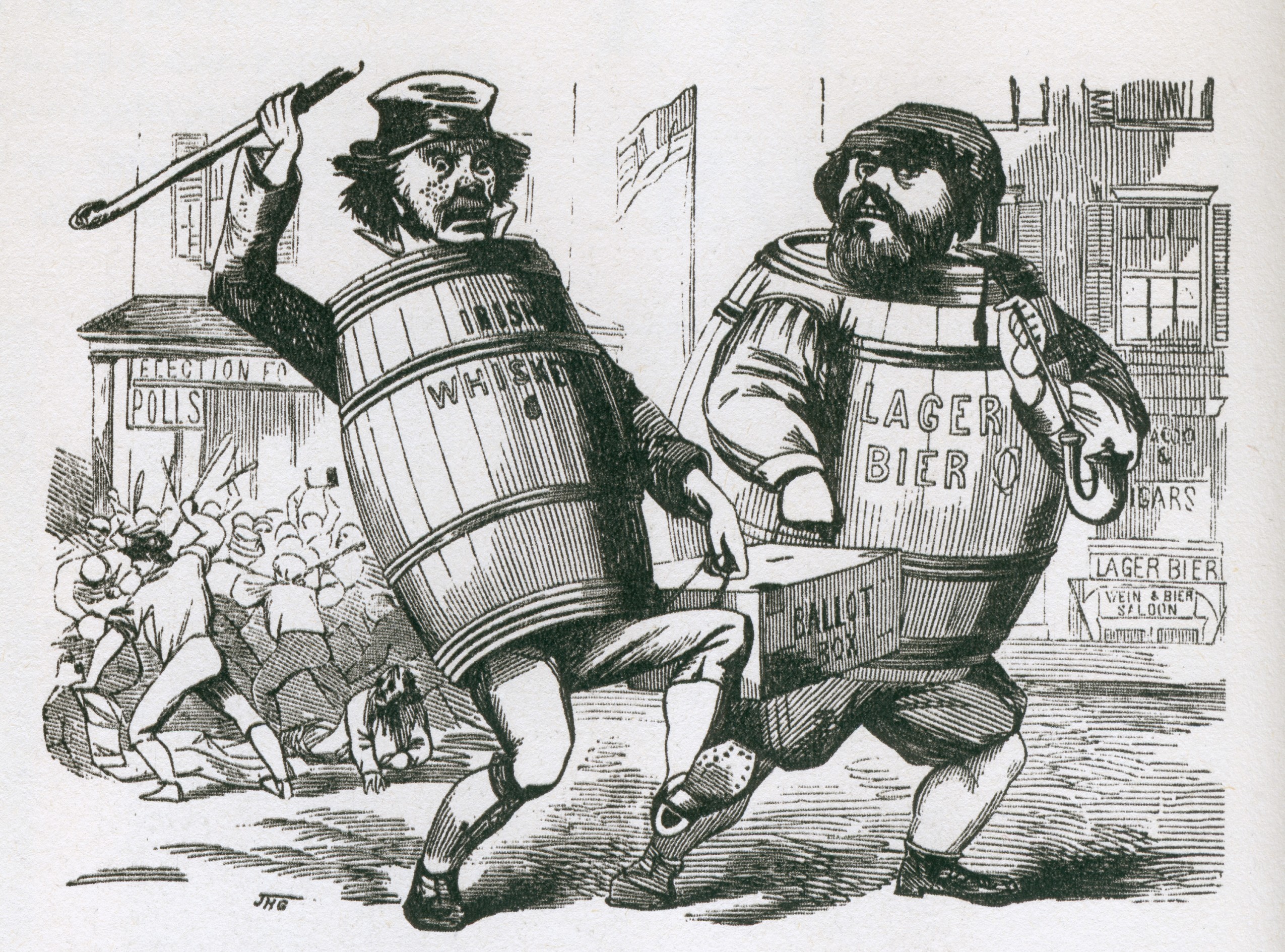
Restrictive Reform: Anti-Immigration Legislation
Declan McDonnell explains that the American Party Platform of 1856 reflects Know-Nothing nativism rooted in fear of Irish and Catholic immigrants. Framing exclusion as reform, it shaped political power through anti-immigrant policies. Lincoln’s critique exposed its contradiction with American ideals, and as anti-slavery movements rose, the party’s influence waned, revealing enduring tensions over religion, identity,…
-

Frederick Douglass and the Politics of Educational Access
Cyrus Welch contends that both the criminalization of literacy in slavery and the resurgence of book bans arise from the same instinct: fear of an informed public. His analysis connects past and present efforts to contain education, underscoring Douglass’s claim that learning itself is liberation.
-
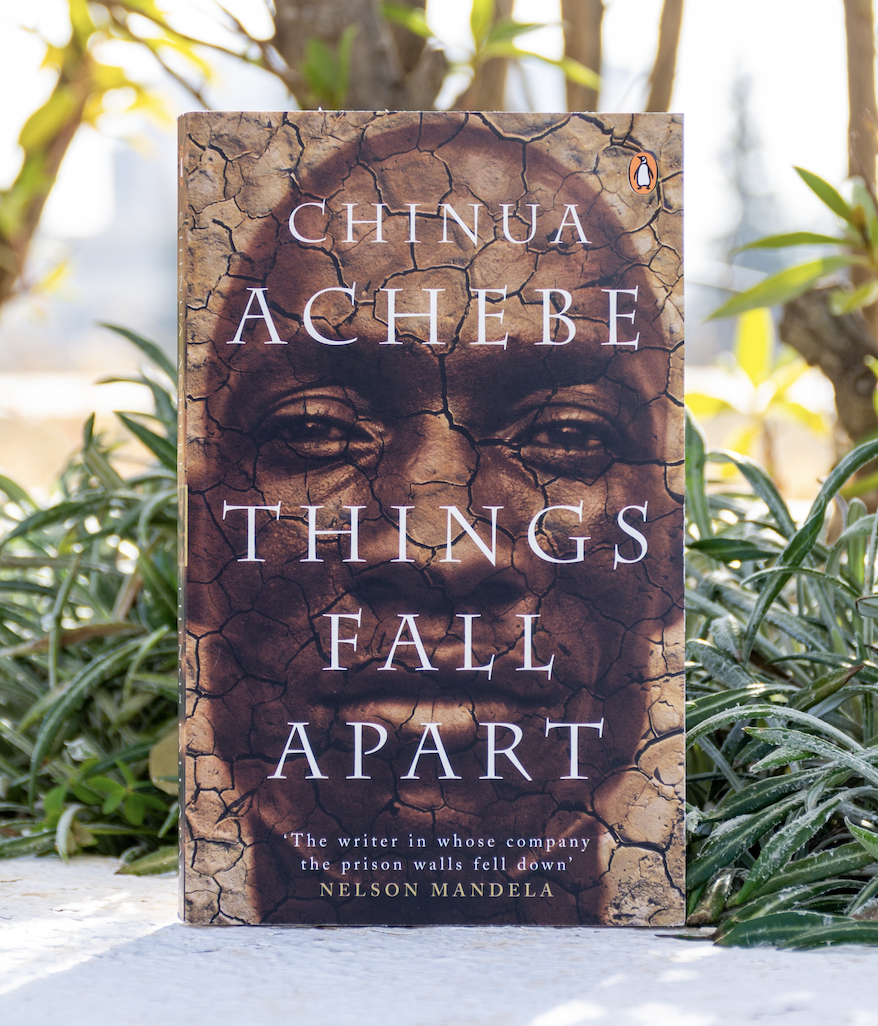
Observing Nuanced Societies Through Intertextuality
In Hope Bachman’s reading, Achebe, Gordimer, Walcott, and Le Guin expose the moral fictions that make violence seem inevitable. Across genres, they reveal how power sustains itself through narrative and superstition, urging readers to question the moral frameworks that normalize harm and to recognize trauma as both personal and political.
-

Democratic Strain in U.S. Civic History Since 1968
The link between civic participation and political change in the United States has grown weaker over the past 60 years. Online movements fade quickly, trust in institutions has fallen, and democracy feels less responsive. Restoring civic faith means rebuilding voting rights, civic education, transparency, and public input so that participation once again connects people to…
-
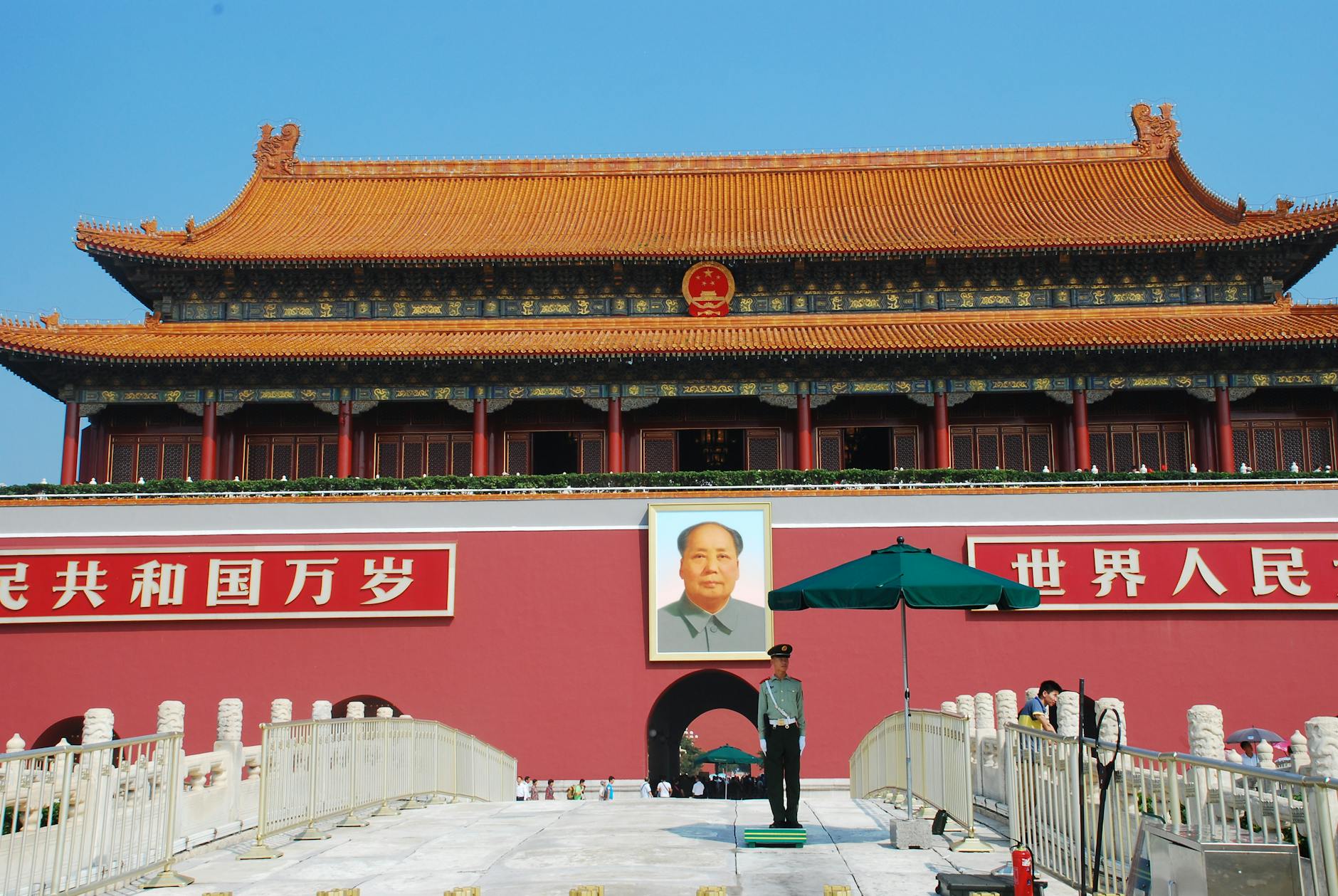
The Dual Identity Driving China’s Diplomacy
China’s foreign policy balances civilizational pride with memories of humiliation, oscillating between assertiveness and restraint. From Mao to Xi, shifts in strategy reflect a deeper effort to align sovereignty with global integration. Far from contradictory, China’s approach illustrates how states recast international engagement to serve internal narratives amid a fractured and contested world order.
-

Youth Voices: Addressing Social Issues Through Writing
This new essay series fosters engagement at the intersection of literature and political analysis through a justice-driven lens. Each short-form reflection examines how stories—fictional and lived—influence public policy and cultural norms. Blending accessibility with depth, the project elevates student voices and promotes intergenerational dialogue on pressing social issues through thoughtful, narrative-based civic engagement.