Tag: Identity
-

Year in Review: Making the Invisible Visible
In 2025, Intersect: Student Voices reached an impressive audience in 107 countries, showcasing a student publication’s ability to engage a diverse readership while preserving the depth of its ideas. The featured essays explore the formation and sustainability of assumptions related to race, happiness, equality, objectivity, and social systems. Intersect remains committed to publishing analytically-grounded writing…
-

The Things I Carry
Hope Bachman’s reflection, inspired by Tim O’Brien’s “The Things They Carried,” explores the emotional and physical weight carried by a high school student. Through everyday objects like a backpack, pens, and a perfume, she examines family ties, friendships, guilt, and love, revealing how these simple items embody resilience and connection.
-
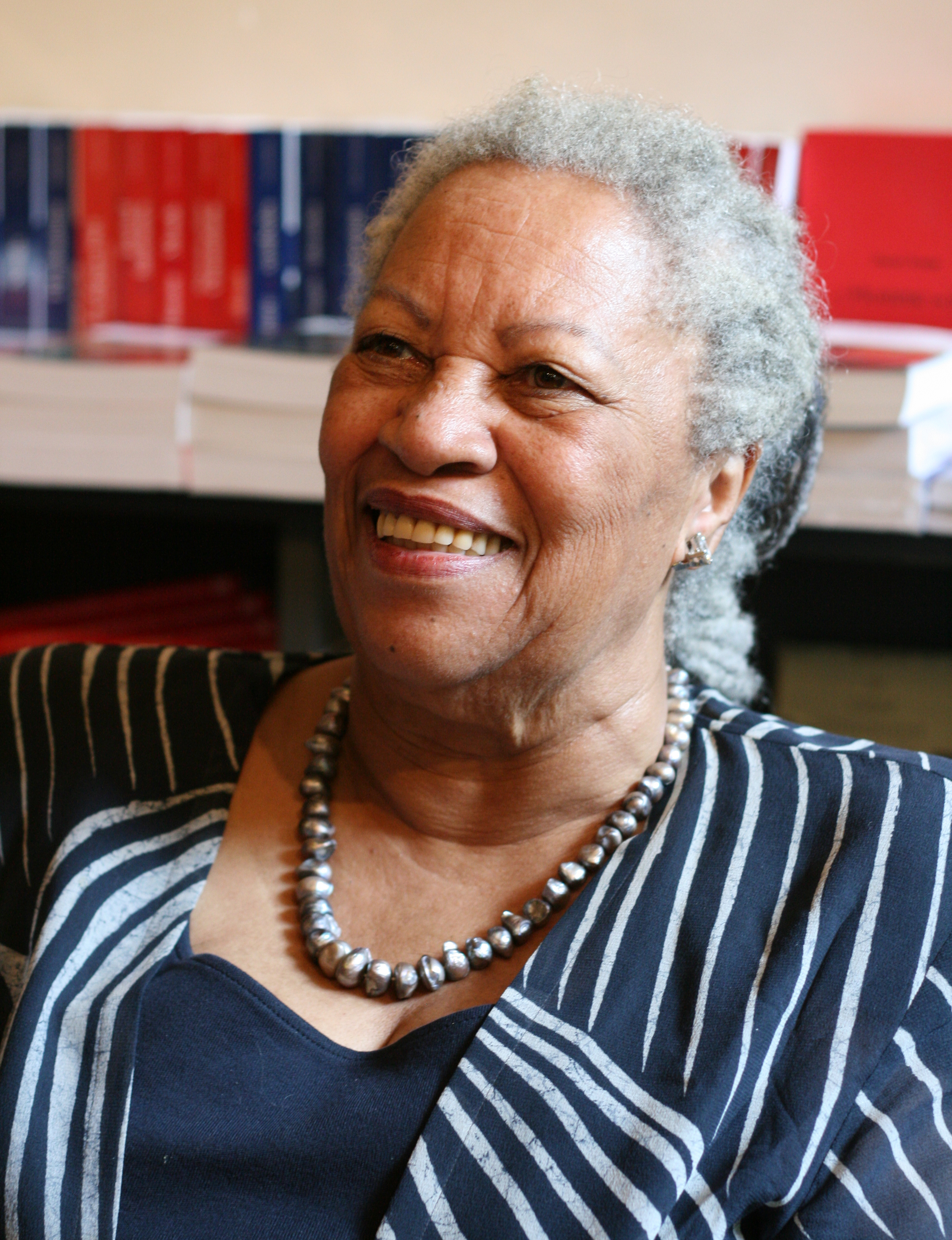
The Complexity of Good and Evil in Sula
Toni Morrison’s Sula dismantles fixed moral binaries, revealing how fear and social cohesion shape ethical norms. Through irony, symbolism, and character contrast, Morrison shows that morality is often reactive, exclusionary, and performative. Sula’s defiance forces the community to confront its assumptions, exposing righteousness as a tool of control rather than a marker of truth.
-

How Family Shapes Political Identity in Persepolis
In Persepolis, Marjane Satrapi presents family as the seedbed of political identity. Through love, dialogue, and moral example, Marjane’s parents instill in her the courage to resist authoritarianism. The memoir reframes resistance as an inheritance, rooted not in public protest alone, but in private acts of care that shape conscience and sustain clarity amid repression.